17 February 2026; updated 30 March 2026
Introduction to Classical Period Ceramics of Southern Jordan and Northern Saudi Arabia
The American Center of Research is pleased to offer introductory and advanced courses on ceramics during 2026, taught by Prof. Sarah Wenner.

Dr. Sarah Wenner
Assistant Professor
American Center of Research
Amman, Jordan
For additional information, email Dr. Wenner: swenner@acorjordan.org
TO APPLY FOR EITHER COURSE
(Deadline: March 20, 2026)
Please submit a short email of 3-5 sentences explaining your interest and your CV, with “ACOR Ceramic Course” in the subject line, to: reservations@acorjordan.org
Please note that fees of $2500 will apply to non-Jordanians.
ADVANCED
THE ADVANCED COURSE HAS BEEN REOPENED FOR APPLICATIONS
DATES: May 16–June 3, 2026
Location: Amman, Jordan
Accommodations: Accommodation can be arranged at The Residences of the American Center of Research, but this will be based on availability.
For students with ceramics experience in Jordan or elsewhere.
INTRODUCTORY
DATES: July 12–30, 2026
Location: Amman, Jordan
Accommodations: Accommodation can be arranged at The Residences of the American Center of Research, but this will be based on availability.
Open to anyone who has taken at least one university-level archaeology, history, or anthropology course; others may inquire.
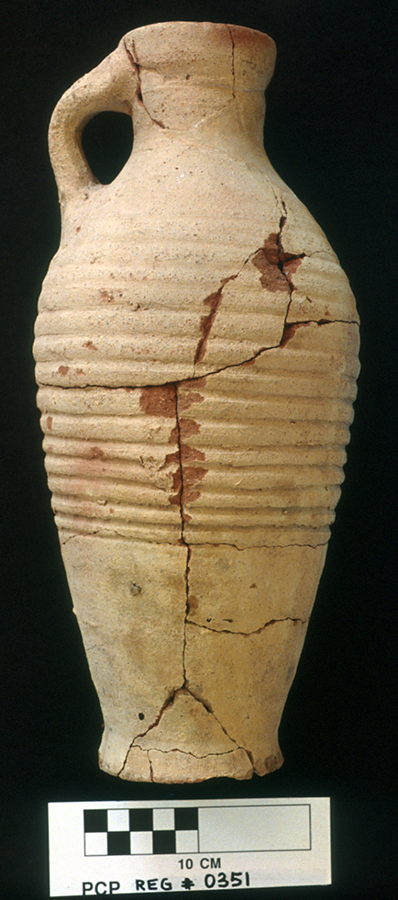
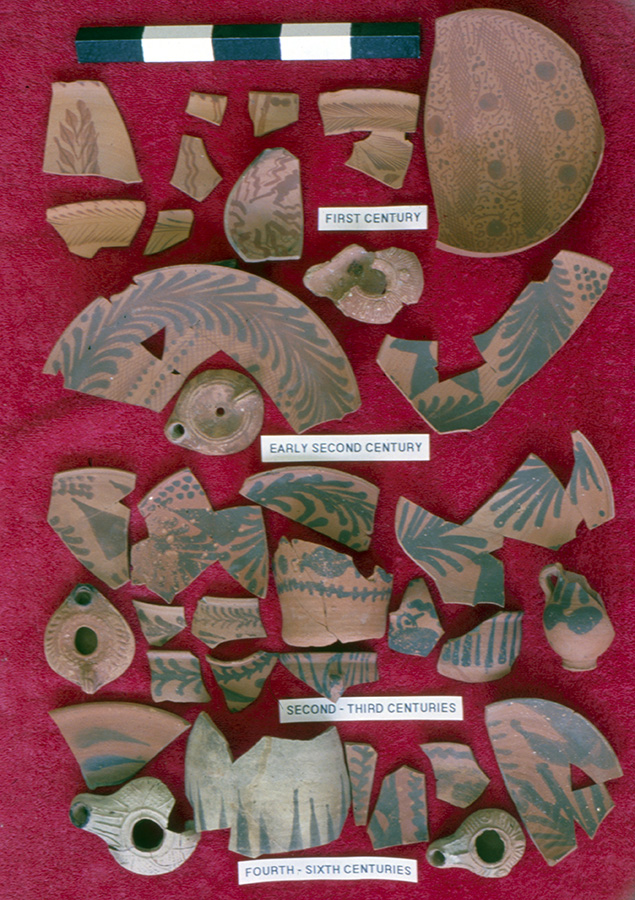
An appreciation of ancient ceramics is critical to the archaeology of the Classical period (ca. 300 BCE–700 CE) in southern Jordan and northern Saudi Arabia, in part because ceramics are the most commonly recovered artifact type from Classical excavations. Yet, the basic tenets of ceramic analysis are not typically taught in introductory coursework, let alone the specifics of the region’s archaeological tradition.
Both the introductory and the advanced intensive courses introduce approaches to the study of ancient ceramics through a combination of literary review and hands-on experience with a select ceramic assemblage. In the first half of each course, students will review the most important publications on quantitative and qualitative approaches to the production and consumption of pottery, as well as the established chronological typologies of the local ceramic tradition (Petra and Aila/Roman Aqaba) and the most significant imported materials (amphorae and finewares). In the second half of the course, students will work towards the analysis and publication of an excavated assemblage, from the initial sorting through to the materials’ publication.
Course Outcomes
Students will be able to:
- articulate the basic qualitative and quantitative approaches to the study of ancient ceramics;
- detail the benefits and drawbacks of different approaches to ceramic study;
- evaluate the most important publications for the analysis of ceramics, as well as the ceramics of southern Jordan and northern Saudi Arabia;
- sort sherds by fabric, vessel form, and part;
- identify published parallels for Classical period sherds;
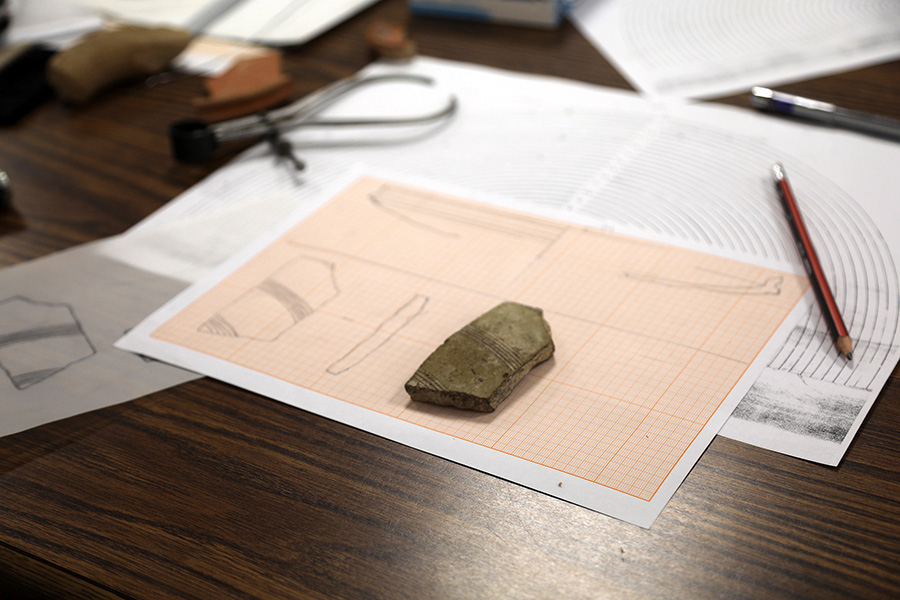
- draw and digitize the drawings of ancient sherds (no previous drawing experience or artistic ability necessary before the course!); and
- perform a basic quantitative analysis of a ceramic assemblage.