17 February 2026

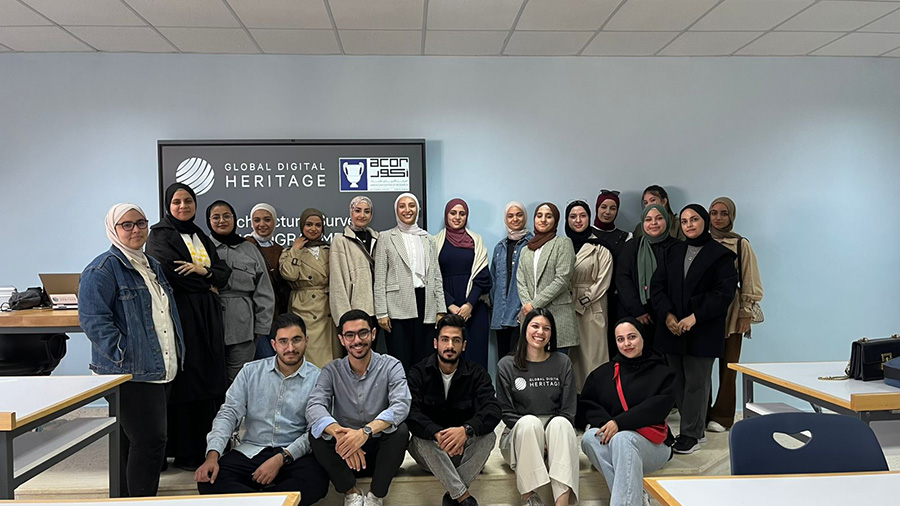
The partnership between ACOR and Global Digital Heritage (GDH) reflects a recognition that preserving cultural heritage today requires innovation, collaboration, and the willingness to adopt new tools. A nonprofit private research organization dedicated to making the data it collects and develops open access, GDH specializes in digitizing cultural and natural heritage to benefit heritage management, education, and research. This expertise and its dedication to open-access data make it an ideal partner organization for ACOR.
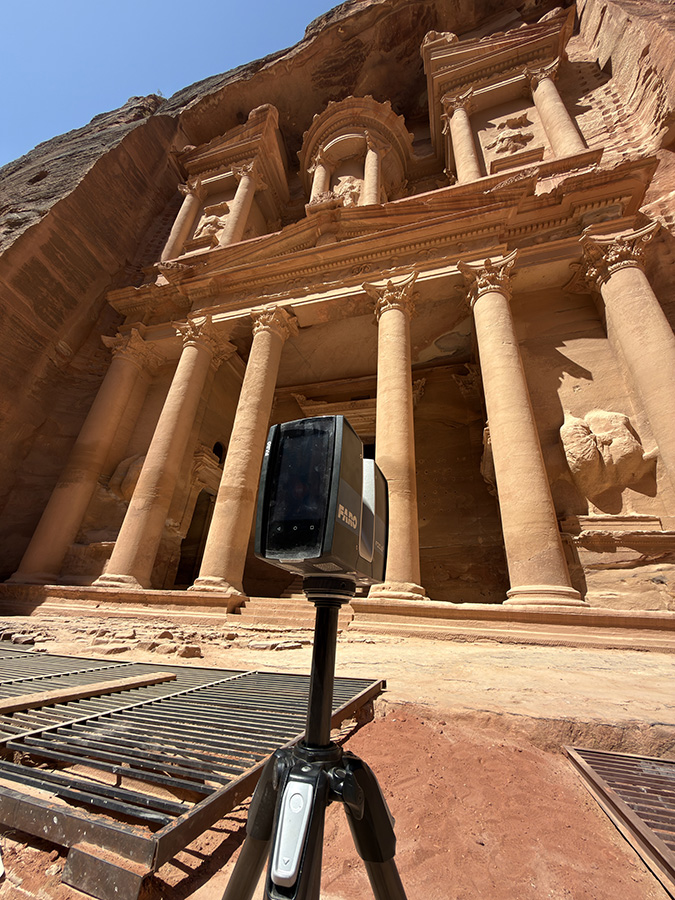
By combining ACOR’s deep local knowledge and longstanding relationships with Jordanian institutions with GDH’s global experience and advanced technological capabilities, this partnership is setting new standards for how heritage can be documented and shared. A memorandum of understanding has formalized the ACOR-GDH partnership, and Matthew Vincent, ACOR’s project director, is now also GDH’s scientific director for the Middle East.
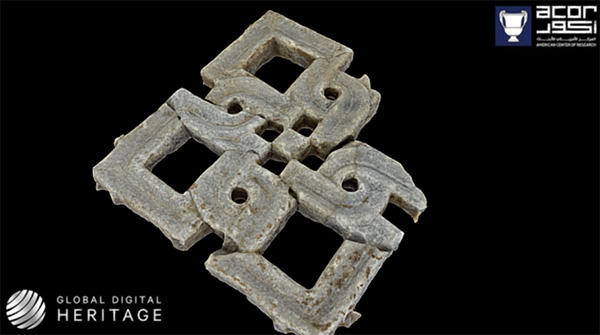
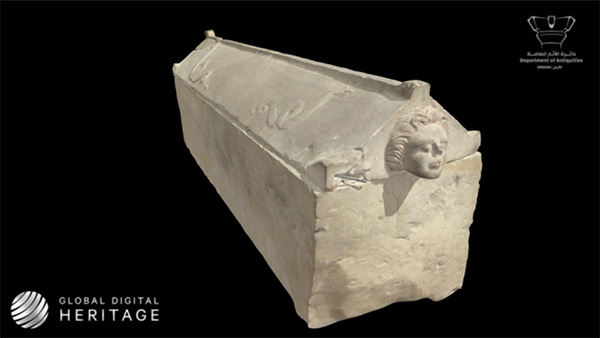
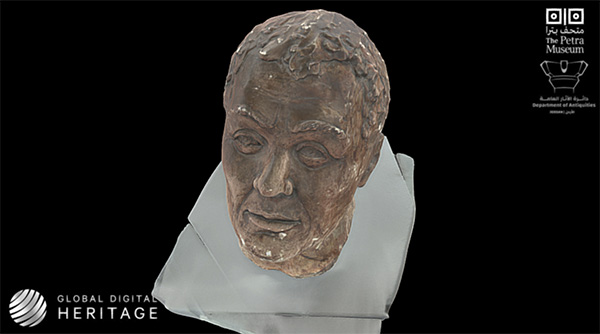
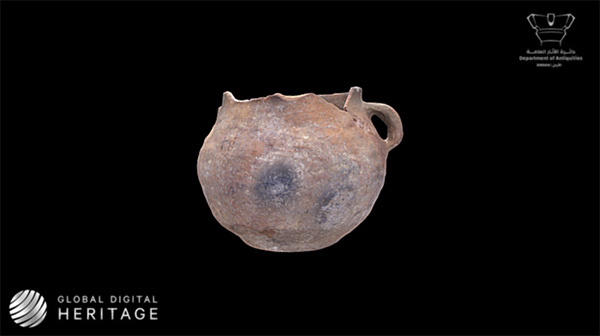
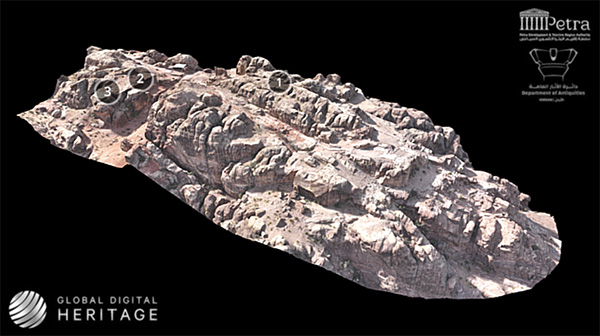
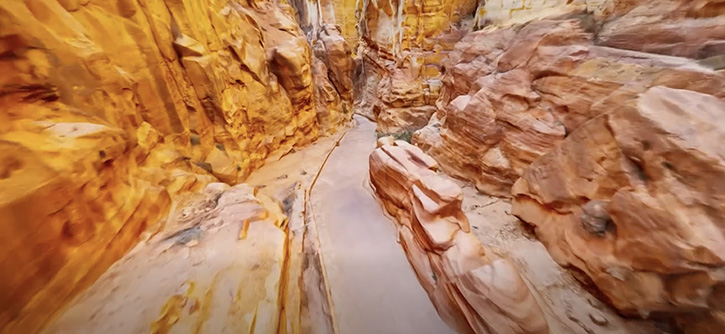
The roots of this collaboration trace back to the National Inventory Project, which had begun to employ digital three-dimensional scanning to document and preserve Jordan’s tangible cultural heritage in the context of a national cultural heritage database. Work began with the creation of 3D digital models of hundreds of monuments and objects in Petra, the Petra Museum, the Amman Citadel and Jordan Archaeological Museum, and the Al-Tafileh Museum. When the Department of State terminated the National Inventory grant in February 2025, more than two years early, ACOR’s board of trustees concluded that this work was too important to suspend and thus authorized the organization to devote some of its own funds to sustain the project and maintain the collecting, processing, and sharing of data. The project then went on to document the archaeological landscape of Petra using drone-based LiDAR, and then similar documentation of three remote desert castles, Qasr Tuba, Qasr al-Amra, and Qasr Kharraneh.
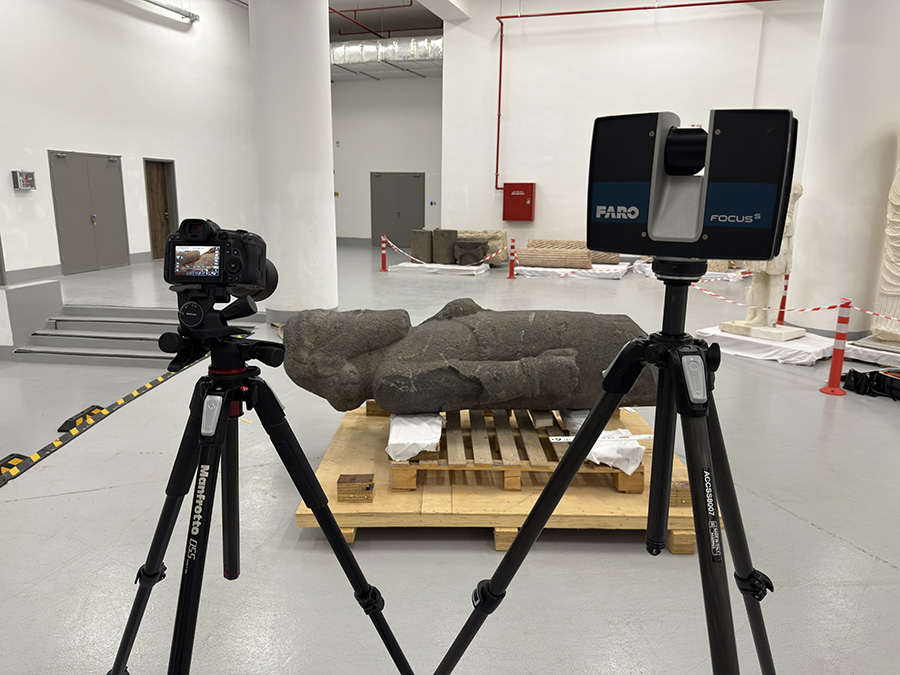
Work at a single site can produce scans and imagery measuring hundreds of gigabytes. Through photogrammetry, two-dimensional photographs are used to create high-resolution 3D models. The process, which is highly specialized and very time-consuming, results in visually impressive and scientifically robust digital re-creations of a site or object, which are made available for analysis and sharing.
You can read more about the project in ACOR Newsletter 37.1 and 37.2.
The following is a growing list of published models and other data that have resulted from the collaboration of the American Center of Research and Global Digital Heritage.
List last updated: 15 February 2026
Museum Collections
Sites
Click on an image to visit the model.